


















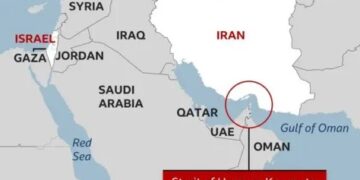






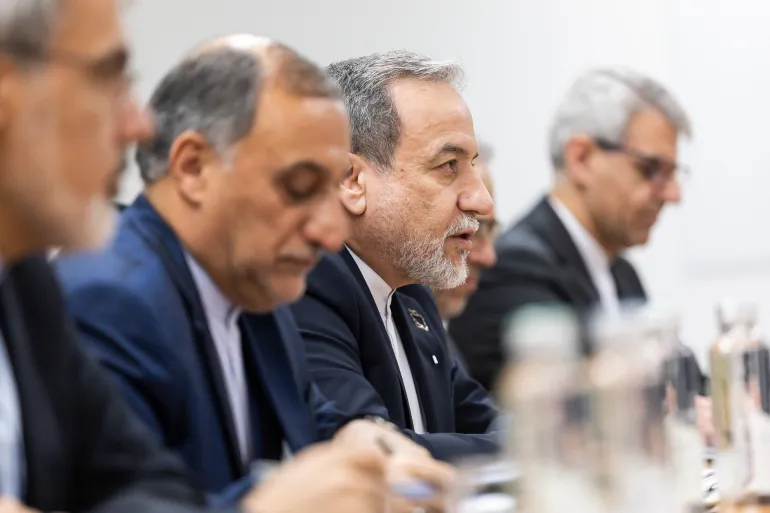
NEWS DESK (MNN); Oman’s Foreign Minister Badr Al Busaidi has confirmed that a new round of negotiations between the United States and Iran will be held in Geneva on Thursday, as tensions between the two sides continue to escalate.
In a statement posted on social media, Al Busaidi said the upcoming discussions aim to make a final push toward concluding a deal. His announcement came at a time when the United States is increasing its military presence in the Middle East, fueling fears of a broader conflict with Iran.
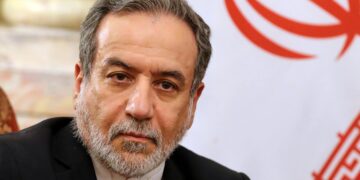
Shortly before Oman’s confirmation, Iran’s Foreign Minister Abbas Araghchi stated that Tehran is prepared to establish a comprehensive monitoring mechanism to ensure the peaceful nature of its nuclear programme and help reduce tensions.
In an interview with CBS News’ Face the Nation, Araghchi described uranium enrichment as a matter of national dignity and pride. He stressed that Iran’s nuclear technology was developed domestically by its own scientists and at significant cost, including decades of US sanctions, assassinations of nuclear experts, and reported US-Israeli strikes on nuclear facilities in June.
Araghchi said Iran would not abandon its nuclear programme, arguing there is no legal justification for doing so as long as it remains peaceful and under the supervision of the UN nuclear watchdog, the International Atomic Energy Agency.
As a signatory to the Non-Proliferation Treaty, Iran remains committed to cooperating fully with the agency, he added, while maintaining that the treaty guarantees its right to peaceful nuclear energy, including enrichment.
Uranium enrichment involves increasing the concentration of a specific isotope. At low levels, it is used for electricity generation, but at around 90 percent purity, it can be used in nuclear weapons.
US officials, including President Donald Trump, have previously insisted that any agreement should ensure zero enrichment by Iran. Earlier this month, Secretary of State Marco Rubio said a comprehensive deal must also address Iran’s ballistic missile programme and its regional alliances.
However, Araghchi clarified that current negotiations are strictly focused on nuclear issues and expressed optimism about reaching an agreement. He said Iran’s delegation is preparing a draft proposal that could accommodate the concerns and interests of both sides in order to secure a swift deal.
He suggested that a potential agreement could surpass the 2015 Joint Comprehensive Plan of Action negotiated under former US President Barack Obama, noting that certain aspects could be improved while ensuring the peaceful continuation of Iran’s nuclear activities and broader sanctions relief.
Despite the renewed diplomatic push, some analysts remain skeptical. Trita Parsi of the Quincy Institute told Al Jazeera that while Iran may present a far-reaching proposal, Washington’s expectations could remain unrealistic due to perceptions that Tehran is in a weaker negotiating position.
He warned that unless those assumptions are reassessed, even a generous Iranian offer might fail to secure US approval.