







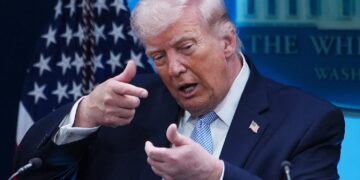

























WASHINGTON (MNN); US President Donald Trump said he was considering a limited military strike on Iran, following a major naval buildup in the Middle East designed to pressure Tehran into reaching a deal to curb its nuclear programme.
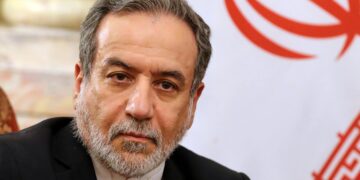
The remarks came after Iranian Foreign Minister Abbas Araghchi said a draft proposal for an agreement with Washington would be ready in the coming days, following negotiations between the two sides in Geneva earlier this week.
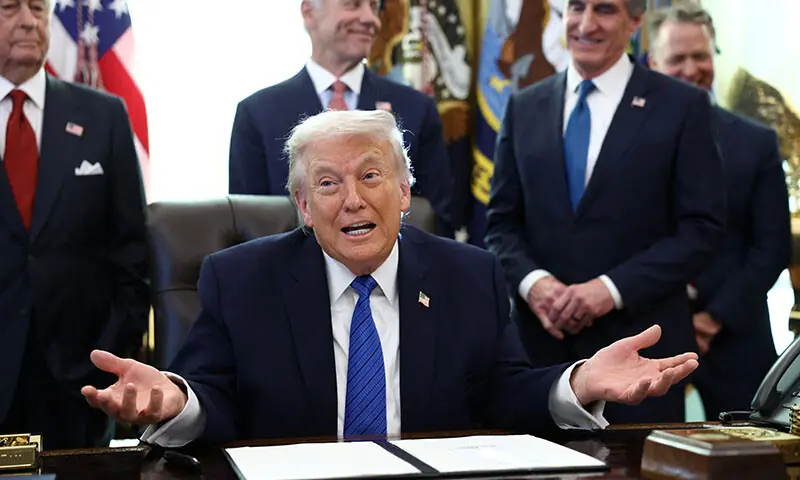
Trump had earlier warned that “bad things” would occur if Iran did not finalize a deal within ten days, a deadline he later extended to fifteen days. When asked on Friday whether he was contemplating a limited strike, Trump replied: “The most I can say — I am considering it.”
After the Geneva talks, Tehran stated that both sides had agreed to submit drafts of a potential agreement. Araghchi told US media that the draft would be prepared in two to three days and, after approval by his superiors, handed to Trump’s chief Middle East negotiator, Steve Witkoff.
Araghchi also clarified that US negotiators had not demanded an end to Iran’s nuclear enrichment programme, contradicting statements from American officials. “We have not offered any suspension, and the US side has not asked for zero enrichment,” he said. He added that the discussions focused on ensuring Iran’s nuclear programme, including enrichment, remains peaceful indefinitely.
These remarks contrast with repeated statements by Trump and other US officials insisting that Iran should not be allowed to enrich uranium at any level. Western countries have long accused Tehran of seeking nuclear weapons, which Iran denies, maintaining that its nuclear programme is intended for civilian purposes.
Iran, meanwhile, seeks relief from international sanctions that have severely impacted its economy. Economic hardships in December led to nationwide protests last month, prompting a crackdown by authorities.
The two countries previously held a round of talks on February 6 in Oman, the first since prior negotiations collapsed during the 12-day Iran-Israel conflict last June, during which the US struck Iranian nuclear facilities.
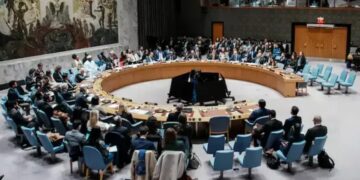
Washington has simultaneously carried out a significant military buildup in the region, and both nations have exchanged threats of military action over the past weeks. On Thursday, Trump again warned that the US could attack Iran if no deal was reached within the specified timeframe. “We have to make a meaningful deal; otherwise, bad things happen,” Trump said at the inaugural meeting of the “Board of Peace,” his initiative for post-war Gaza.
Iran’s UN Ambassador, Amir Saeid Iravani, warned that US bases, facilities, and assets could become “legitimate targets” if the United States carried out military action. Araghchi, however, emphasized that “there is no ultimatum” and that both sides were working to reach a fast agreement, which was mutually beneficial.
The US has repeatedly demanded zero enrichment from Iran while also seeking to address Tehran’s ballistic missile programme and its support for regional militant groups — issues strongly advocated by Israel in the talks.
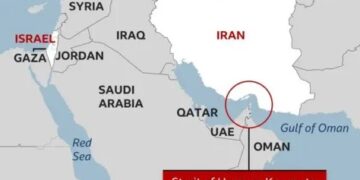
Israel’s army stated on Friday that it was on “defensive alert” regarding the situation with Iran but maintained existing public guidelines. Meanwhile, Trump’s administration deployed a second aircraft carrier, the Gerald Ford, to the Middle East, complementing the earlier deployment of USS Abraham Lincoln and escort battleships. Iranian naval forces also conducted military exercises in the Gulf and around the strategic Strait of Hormuz this week as a show of strength.