
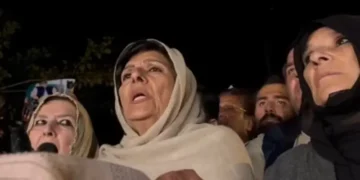
























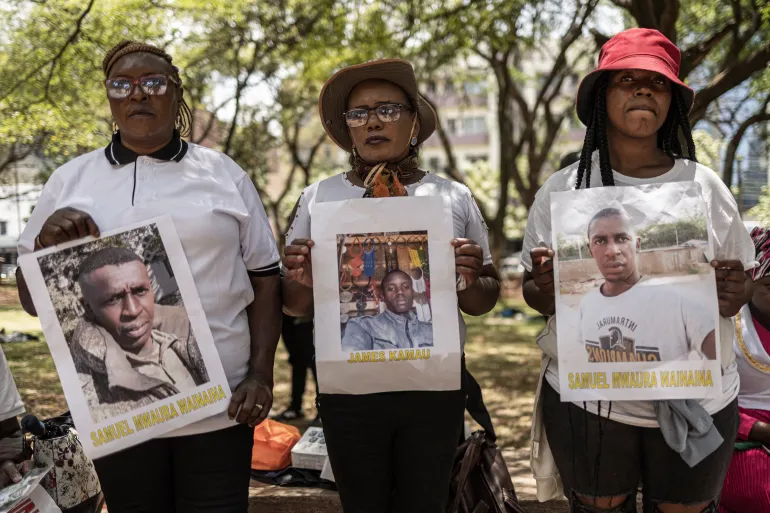
NEWS DESK (MNN); Families of Kenyan nationals allegedly deceived into joining Russia’s war effort in Ukraine staged protests in Nairobi, demanding government intervention after an intelligence report revealed that more than 1,000 citizens had been recruited to the front lines.
Demonstrators gathered on Thursday, a day after the National Intelligence Service released findings detailing what it described as a recruitment scam. The report alleged that rogue state officials collaborated with trafficking networks to lure Kenyans abroad under false job promises.
Winnie Rose Wambui said she was seeking information about her brother, Samuel Maina, who travelled to Russia believing he had secured employment as a mall security guard. She told AFP that she last heard from him in October, when he sent a distress voice message from a forested area.
On Wednesday, Parliament Majority Leader Kimani Ichung’wah presented the intelligence findings to the Parliament of Kenya, stating that over 1,000 Kenyans had been recruited to fight in the Russia-Ukraine war. According to the report, 89 are currently on the front lines, 39 are hospitalised, and 28 are missing in action.
Families plan to submit petitions to several government offices, including the Foreign Ministry, as well as to the Russian embassy. Protest coordinator Peter Kamau, whose brother Gerald Gitau is missing, said authorities had provided little assistance.
“The Ministry of Foreign Affairs is not helping us,” Wambui said during the demonstration, which called for the return of at least 35 recruits. She added that officials advised families to contact the Kenyan embassy in Moscow.
In response, the Russian embassy in Kenya issued a statement on X denying any involvement in illegal recruitment, calling the allegations a “dangerous and misleading propaganda campaign.” However, it noted that Russia permits foreign nationals to voluntarily enlist in its armed forces.
The intelligence report alleged that recruitment agencies worked with corrupt airport, immigration, and other state officials, as well as staff at the Russian embassy in Nairobi and the Kenyan embassy in Moscow, to facilitate travel arrangements.
Initially, recruits travelled to Russia on tourist visas via Turkiye or the United Arab Emirates. After Kenya increased airport surveillance, some reportedly used alternative routes through Uganda, South Africa, and the Democratic Republic of Congo.
While a few recruits were former soldiers seeking mercenary work, many were reportedly misled with promises of lucrative monthly salaries and bonuses.
Kenya’s Foreign Ministry stated last week that 27 stranded nationals had been rescued from Russia. Foreign Minister Musalia Mudavadi has announced plans to visit Russia next month to address the issue.