









































DHAKA (MNN); The Bangladesh Nationalist Party (BNP) won a sweeping two-thirds majority in the general elections held on Friday, marking a major political shift after months of unrest that followed the ouster of former Prime Minister Sheikh Hasina in a youth-led uprising in 2024.
According to the Election Commission, the BNP secured 181 seats in the Jatiya Sangsad (National Parliament), while Jamaat-e-Islami won 61 seats. Other parties secured 7 seats. Jamaat-e-Islami and its allies together won 70 seats. Complete official results were expected later in the day.
Returning to power after nearly two decades, the BNP thanked voters and called for special prayers for the nation. Despite its decisive victory, the party instructed supporters not to organize celebratory rallies or processions.
The National Citizen Party, led by youth activists who played a central role in the movement against Hasina and were part of the Jamaat-led alliance, won only 5 out of the 30 seats it contested.
The clear electoral mandate is seen as crucial for restoring stability in the Muslim-majority country of 175 million people, where months of protests had disrupted daily life and affected key industries such as garments, in which Bangladesh ranks second globally in exports.
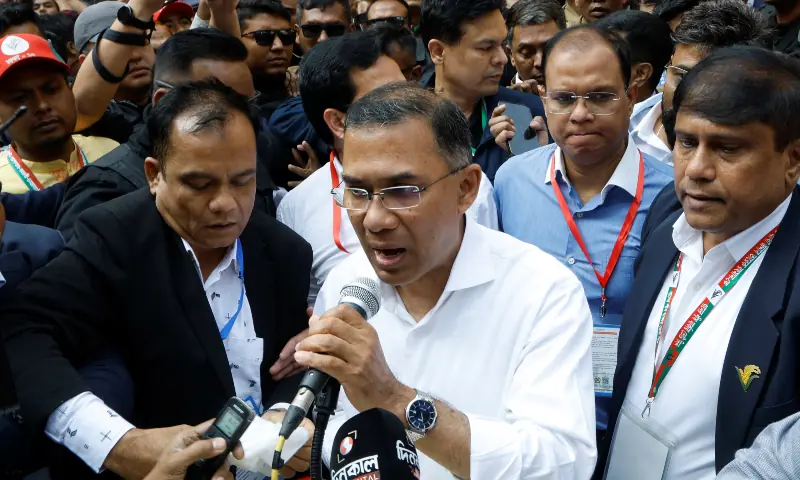
BNP chief Tarique Rahman is widely expected to be sworn in as prime minister. The son of party founder and former President Ziaur Rahman, he returned to Dhaka in December after 18 years in exile.
In its election manifesto, the BNP pledged to prioritize job creation, protect low-income households, ensure fair prices for farmers, and restore economic stability.
As results became evident, large crowds of supporters gathered outside BNP headquarters in Dhaka, celebrating and chanting slogans. Voter turnout reportedly reached nearly 60 percent, significantly higher than the 42 percent recorded in the previous election.
A referendum on constitutional reforms was also held alongside the election. Proposed changes include limiting prime ministers to two terms, strengthening judicial independence, increasing women’s representation, establishing neutral caretaker governments during election periods, and creating an upper house in the 300-member parliament.
Sheikh Hasina’s Awami League, which ruled for 15 years, was barred from contesting the elections. The BNP’s victory of over 200 seats is among the largest in its history, surpassing its 2001 win.
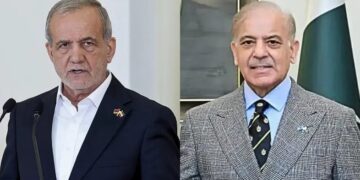
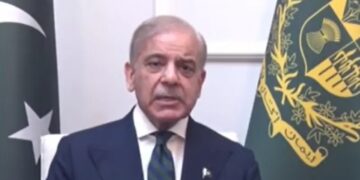
Pakistan’s President Asif Ali Zardari and Prime Minister Shehbaz Sharif congratulated the BNP and Tarique Rahman on their victory. President Zardari also congratulated the people of Bangladesh and expressed hope for stronger bilateral cooperation and enhanced regional collaboration, particularly within SAARC.
Prime Minister Shehbaz Sharif said he looked forward to working with the new leadership to strengthen historic and brotherly relations and promote peace and development in South Asia. Deputy Prime Minister and Foreign Minister Ishaq Dar also extended congratulations.
Indian Prime Minister Narendra Modi congratulated Tarique Rahman and the BNP on what he described as a decisive victory, stating that it reflected the trust of the Bangladeshi people in their leadership. He affirmed India’s continued support for a democratic and progressive Bangladesh.