
























































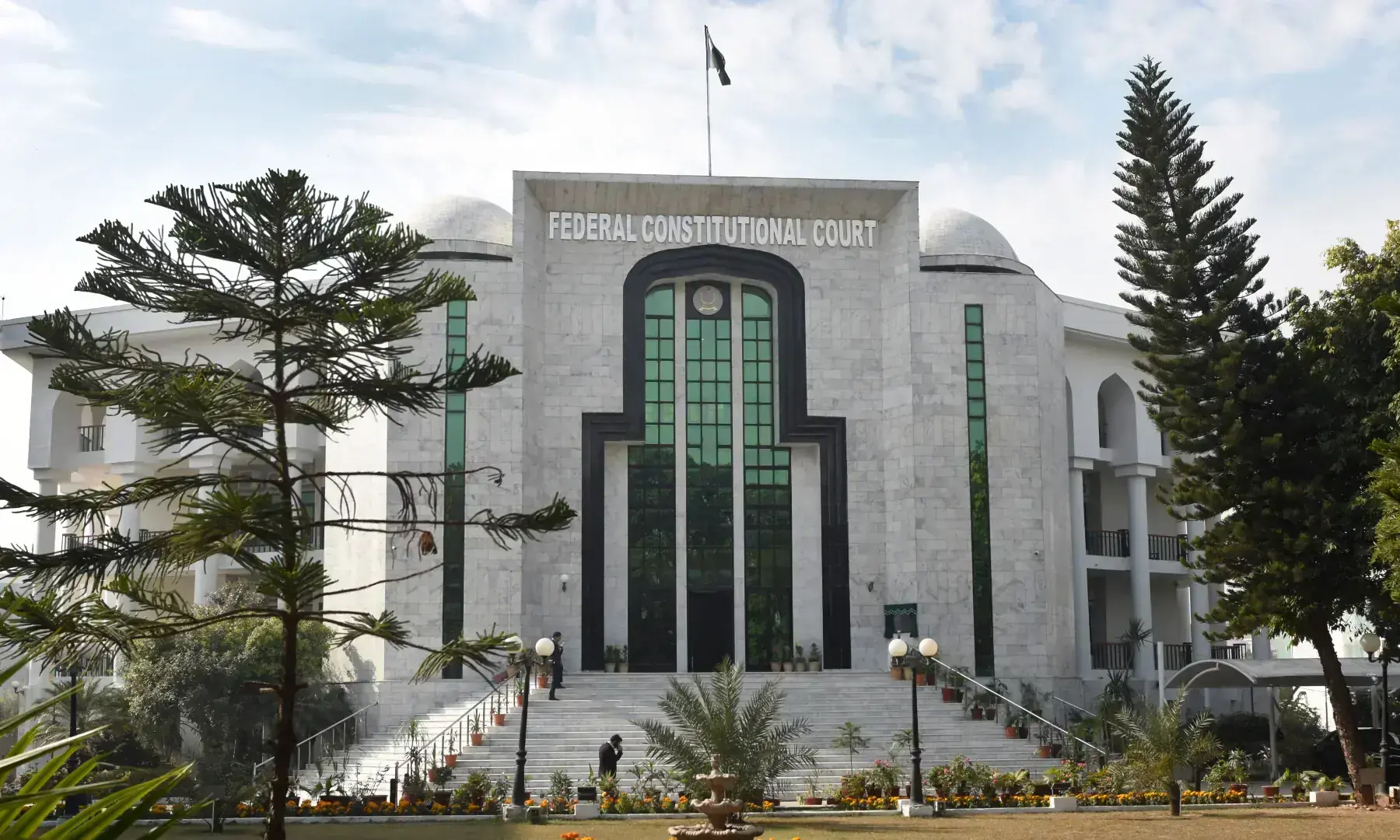
ISLAMABAD (MNN); In a landmark decision with significant constitutional and fiscal ramifications, the Federal Constitution Court (FCC) on Tuesday validated the imposition of the super tax, affirming Parliament’s exclusive authority to legislate on taxation. The ruling confirms that Sections 4-B and 4-C of the Income Tax Ordinance (ITO), 2001, are fully applicable from their respective dates of enforcement.
A three-member bench, led by FCC Chief Justice Aminuddin Khan alongside Justices Syed Hasan Azhar Rizvi and Syed Arshad Hussain Shah, announced the short order after a brief hearing in the morning. The detailed judgment is expected to follow. Senior counsel Hafiz Ahsaan Ahmad Khokhar, representing the Revenue Division, stated that over 2,200 long-pending tax cases concerning Sections 4-B and 4-C have now been resolved, safeguarding an estimated Rs310 billion in public revenue.
The super tax, initially introduced by the PML-N government in 2015 as a one-time levy under a money bill, aimed to fund the rehabilitation of areas affected by Operation Zarb-i-Azb. Originally set at an additional 5 percent on profits exceeding Rs300 million, the tax was revised in 2022 to target individuals earning over Rs150 million annually, with a maximum rate of 10 percent, alongside a 4 percent levy on banking companies and 3 percent on other sectors.
The FCC’s ruling overturns previous judgments by the Sindh, Lahore, and Islamabad high courts that had challenged the retrospective imposition of Section 4-C, citing alleged discrimination, double taxation, and inequity. The court emphasized that fiscal policy, tax slabs, and thresholds fall exclusively under Parliament’s legislative competence, and high courts had exceeded their jurisdiction. The FCC also clarified specific exclusions for benevolent funds and allowed oil and gas exploration companies to seek individual exemptions under the 1948 concession regime.
The decision, hailed as a major boost to Pakistan’s public finances, is expected to contribute approximately Rs300 billion to the federal exchequer, ensuring continued funding for social welfare initiatives and rehabilitation projects.