











































DUBAI (MNN); The United Arab Emirates on Tuesday firmly rejected Saudi Arabia’s accusations that it had supplied weapons to a Yemeni separatist faction, as a rare and open dispute erupted between the two traditionally allied Gulf monarchies over the conflict in Yemen.
In an official statement, the UAE said the shipment targeted by Saudi-led coalition airstrikes did not contain any weapons and that the vehicles unloaded at the Yemeni port were not intended for any Yemeni group. Abu Dhabi dismissed claims that it was backing or directing military operations by separatist forces, calling the allegations unfounded.
Saudi Arabia, however, declared that advances made by UAE-backed separatists in southern Yemen posed a serious threat to the kingdom’s national security. Riyadh described the alleged actions of Abu Dhabi as “highly dangerous,” warning that any threat to Saudi security would be treated as a red line.
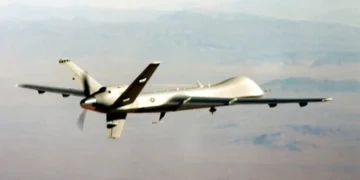
The sharp Saudi response came just hours after the Saudi-led coalition fighting in Yemen announced that it had carried out airstrikes on what it described as a United Arab Emirates weapons shipment bound for separatist forces. In a strongly worded foreign ministry statement, Saudi Arabia said it would not hesitate to take all necessary steps to confront and neutralise any threat to its national security.
According to the coalition, the strikes targeted weapons and combat vehicles that had been unloaded from two ships at the port of Al-Mukalla. The Saudi state news agency quoted the alliance as saying that the operation was limited in scope and launched in response to the danger and escalation posed by the alleged weapons delivery.
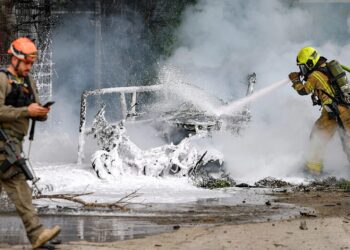
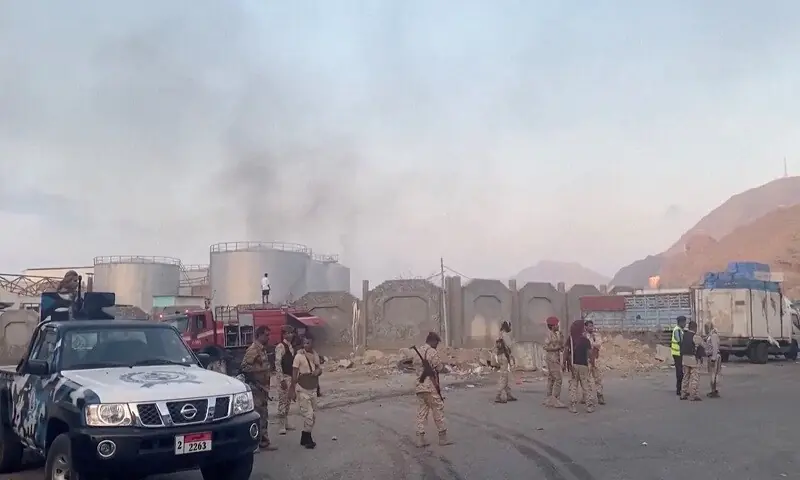
Footage from the port released by AFP showed dozens of military vehicles and pick-up trucks parked in the area, several of them destroyed or smouldering as port workers attempted to douse the flames. Surveillance images aired by Saudi broadcasters later showed what the coalition said were Emirati ships arriving from the UAE port of Fujairah and unloading military equipment at Al-Mukalla.
In recent weeks, separatist forces seeking to restore the formerly independent state of South Yemen have made rapid territorial gains in a swift offensive. These advances have heightened tensions within Yemen’s internationally recognised government, which is itself a fragile alliance of rival factions united mainly by their opposition to the Houthi rebels controlling large parts of northern and western Yemen, including the capital Sanaa.
Following the airstrikes, the head of Yemen’s Presidential Leadership Council, Rashad al-Alimi, declared a state of emergency and cancelled a security agreement with the UAE. The decision came after forces of the Southern Transitional Council seized large areas of territory. The STC, despite being a key member of the government, later rejected the move, warning it could drag Yemen into new confrontations.
Saudi Arabia expressed disappointment over what it described as pressure exerted by the UAE on the STC to conduct military operations near the kingdom’s southern border. Riyadh said such actions threatened not only Saudi national security but also stability in Yemen and the wider region. Abu Dhabi strongly denied the accusation, saying it condemned any claims suggesting it had directed or encouraged operations affecting Saudi security.
Despite the military escalation and diplomatic fallout, oil markets remained relatively calm. Brent crude prices edged higher, while US West Texas Intermediate also posted modest gains, following a sharp rise in the previous session after news of the Saudi airstrikes. Analysts said concerns about an oversupplied global oil market continued to weigh on prices and could limit further increases in the coming months.
Gulf stock markets, however, reacted more sharply. Major equity indexes across the region closed lower, with Dubai’s main index recording its biggest daily decline since June. Shares in major companies such as Emaar Properties and Dubai Islamic Bank fell, while Saudi stocks, including Saudi Aramco, also ended the day slightly lower.
Saudi Arabia and the UAE, long-time allies against the Houthis, have increasingly found themselves at odds not only over Yemen but also over regional issues such as the conflict in Sudan. While a source close to the Saudi-led coalition said diplomatic options remained available, it added that previous efforts had failed and that the coalition had been left with little choice but to act.
Riyadh has also backed a demand by Yemen’s leadership for Emirati forces to withdraw from the country within 24 hours and called on Abu Dhabi to halt military and financial support for Yemeni groups. Meanwhile, residents near the port of Al-Mukalla described damage to homes and widespread fear following the strikes, as Saudi Arabia reiterated its warning that it would support Yemen’s government in any confrontation with separatist forces.