




















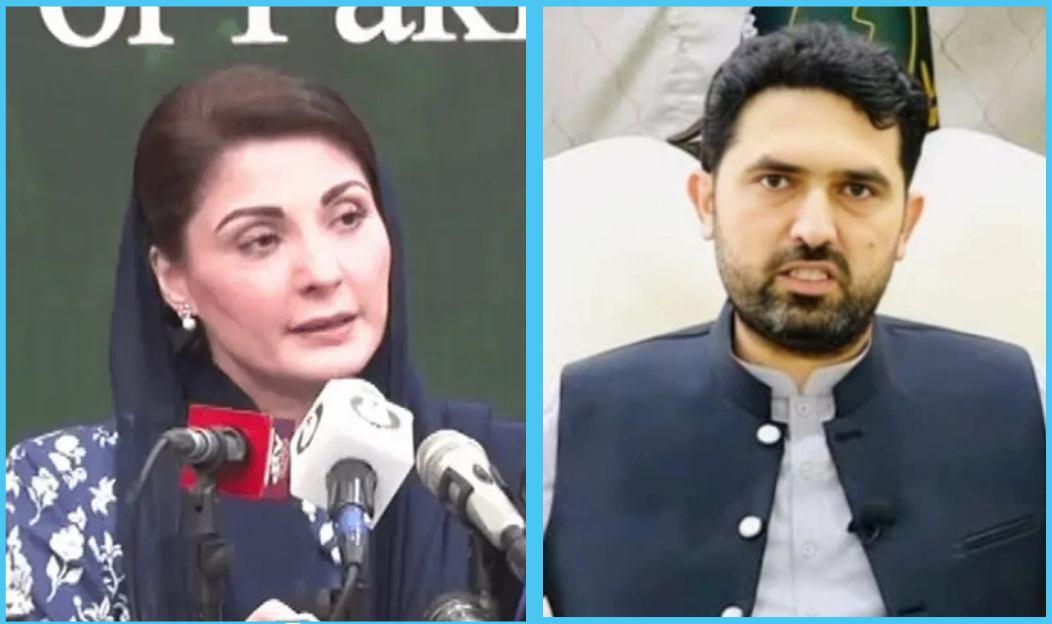
PESHAWAR (MNN); Khyber Pakhtunkhwa Chief Minister Sohail Afridi has formally conveyed his strong protest to Punjab Chief Minister Maryam Nawaz over what he described as “discourtesy, unnecessary hostility and unjustified protocol violations” during his recent three-day visit to Lahore.
In a detailed two-page letter sent on Monday and later shared by the KP government on X, CM Afridi expressed deep concern over the conduct of the Punjab administration, stating that the events surrounding his visit were deliberate and could not be dismissed as routine administrative measures.
Afridi wrote that he visited Punjab in his official capacity as a provincial chief minister, but the treatment he received was incompatible with the dignity of a constitutional office and the principles of inter-provincial respect. He alleged that the Punjab government adopted an excessive and extraordinary security posture, including mass detentions, road closures and visible enforcement measures, which he said appeared more like intimidation than cooperation.
The KP chief minister noted that major public places, including food streets and markets, were sealed, power outages were imposed and venues were denied, causing hardship to ordinary citizens of Lahore. He added that even motorway rest areas were blocked, denying constitutionally guaranteed free access.
Afridi also raised serious concerns over what he termed a coordinated and malicious social media campaign launched during and after his visit. He said defamatory insinuations, including allegations linking him to narcotics, were circulated and amplified by accounts perceived to be aligned with the Punjab government.
He stressed that using state-linked digital platforms to target a sitting chief minister of another province was unacceptable and institutionally indefensible. He said allegations of such gravity must be pursued through lawful processes and evidence, warning that anything short of that amounted to character assassination.
According to Afridi, the combination of protocol degradation, excessive policing and coordinated digital vilification indicated planning and intent aimed at humiliation rather than engagement. He cautioned that such actions undermine federal harmony, erode public trust in provincial institutions and set a dangerous precedent.
In his letter, the KP chief minister placed on record his strong rejection of the treatment meted out to him and demanded assurances that such conduct, both administrative and digital, would not be repeated. He also called for accountability where required.
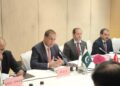
Separately, CM Afridi strongly condemned the Punjab government’s conduct during a KP cabinet meeting, terming it undemocratic, reprehensible and damaging to national unity. He said violence was used against cabinet members, roads were blocked for a provincial chief minister, markets were forcibly shut and even lights were turned off during a visit to Mazar-e-Iqbal.
He warned that such behaviour, particularly at a time of political and economic instability, would only deepen hatred and division. Afridi directed KP officials to extend hospitality to visiting dignitaries from other provinces in line with democratic norms and cultural traditions.
The KP CM also highlighted that the federal government had yet to release funds under the Accelerated Implementation Programme for the merged districts, stating that development work remained stalled and that Rs4,758 billion was still owed to the province.
Afridi had visited Lahore to launch PTI’s street movement. His visit included tense scenes at the Punjab Assembly and Food Street, where restaurants were shut, lights turned off and the public cleared, drawing widespread criticism.