





























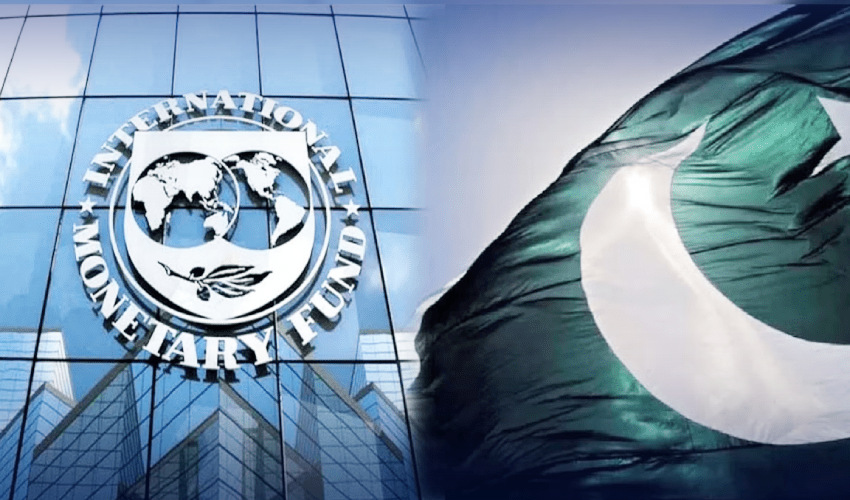
The International Monetary Fund (IMF) has put forward additional requirements under Pakistan’s $7 billion loan programme, with new conditions expected to affect the country’s expanding electric and hybrid vehicle sector.
Sources say the IMF has called for the withdrawal of sales tax exemptions currently granted to locally manufactured electric vehicles and electric bikes. Under the proposal, a standard 18% General Sales Tax (GST) would be imposed starting from the 2026–27 fiscal year.
Hybrid electric vehicles also in focus
According to sources, the IMF has also asked Pakistan to eliminate tax concessions for locally assembled hybrid electric vehicles. These incentives were introduced under special measures designed to encourage cleaner and more sustainable transport.
At present, locally manufactured hybrid electric vehicles remain fully exempt from sales tax until June 30, 2026. After this deadline, vehicles with engine capacity of up to 1,800cc are subject to an 8.5% sales tax, while those up to 2,500cc are taxed at 12.75%.
Shift to normal tax regime
Sources said these demands were raised during discussions with the Ministry of Industries and Production. The IMF has urged authorities to remove sales tax exemptions listed under the Eighth Schedule of the Sales Tax Act and place these vehicles under the regular taxation framework.
Currently, locally manufactured hybrid electric vehicles and electric bikes benefit from sales tax exemptions under the Eighth Schedule. The IMF wants these concessions withdrawn, effectively subjecting them to the standard GST structure.
Exemptions may end next year
If the government agrees to these conditions, tax exemptions for locally produced hybrid electric vehicles and electric bikes could be withdrawn from next year. Analysts warn the move may lead to higher prices, reduced consumer demand, and slower progress toward environmentally friendly transportation in Pakistan.