











































BEIJING: Thailand and Cambodia have agreed to restore mutual confidence and steadily reinforce a ceasefire following weeks of deadly border clashes, China said in a joint communique issued after talks with both countries in southwestern China.
The two Southeast Asian neighbours brought an end on Saturday to weeks of intense fighting that left at least 101 people dead and forced more than half a million from their homes, marking their second ceasefire since late October.
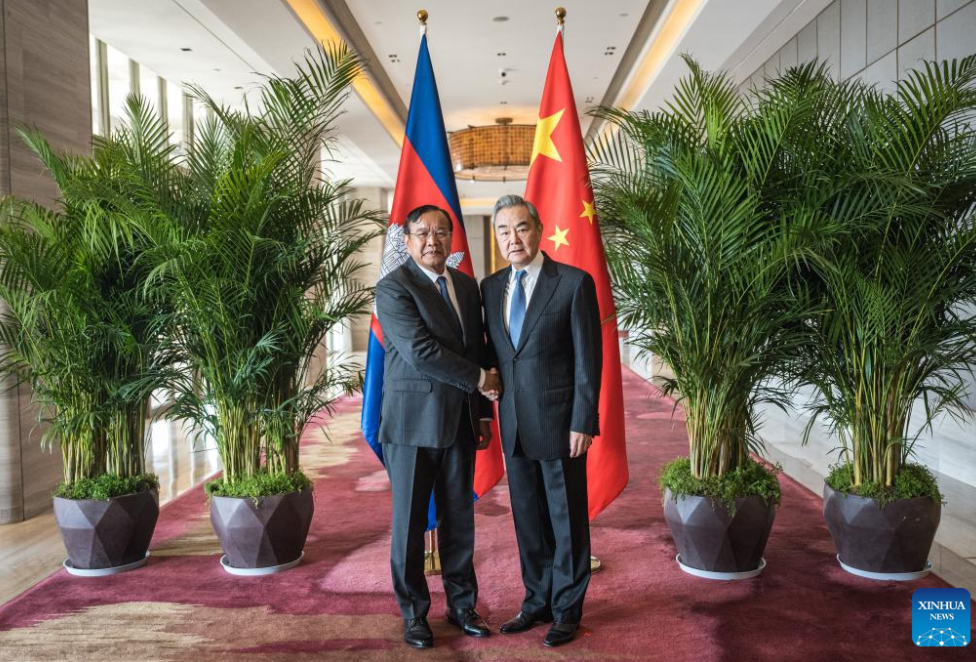
The foreign ministers of Thailand and Cambodia travelled to China’s Yunnan province for trilateral discussions with Chinese Foreign Minister Wang Yi on Sunday and Monday to address the border situation.
During his meeting with the Thai and Cambodian diplomats, Wang described the ceasefire as “hard-won” and urged both sides not to abandon it midway or allow hostilities to resume.
“Discussions between the three parties were beneficial and constructive, and an important consensus was reached,” Wang said, according to a statement from China’s foreign ministry, which made no reference to ASEAN’s role in helping broker the ceasefire.
The parties must “look forward and move forward,” Wang added.
According to a joint communique released by China’s state news agency Xinhua, Thailand and Cambodia will “rebuild political mutual trust, achieve a turnaround in relations, and maintain regional peace.”
The latest clashes erupted earlier this month after the collapse of a ceasefire that had been facilitated by U.S. President Donald Trump and Malaysian Prime Minister Anwar Ibrahim on the sidelines of the ASEAN Summit in Kuala Lumpur, which had sought to halt an earlier round of fighting.
“The implementation of the ceasefire agreement requires continued communication and consultation, and the restoration of bilateral relations must also proceed gradually,” Wang said on Monday.
Defence officials from both Thailand and Cambodia also took part in the talks held in China.
Wang said diplomats and defence representatives from the two countries held several bilateral meetings, engaged in detailed discussions, and demonstrated a “positive and open attitude.”