






















































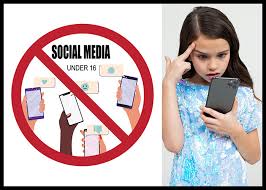
Web Desk (MNN); Australia has announced a landmark decision to ban children under the age of 16 from accessing major social media platforms, becoming one of the first countries to take such a sweeping step to address growing concerns over online safety, mental health, and data protection.
The new regulation, unveiled by the federal government on Tuesday, will require platforms such as Facebook, Instagram, TikTok, Snapchat, and X to implement strict age-verification systems to prevent minors from creating accounts. Companies failing to comply face substantial fines under Australia’s strengthened online safety laws.
Addressing reporters in Canberra, Prime Minister Anthony Albanese said the decision was driven by a rising wave of research linking heavy social media use among children to anxiety, cyberbullying, depression, and exposure to harmful content.
“The wellbeing of our children must come before the profits of tech giants,” Albanese said. “We are sending a clear message: keeping young people safe online is a national priority.”
The ban follows recommendations from a government-commissioned expert panel, which urged tougher measures to curb the influence of algorithms that target young users and expose them to addictive content.
Age Verification Mechanism
Under the plan, social media platforms will be required to adopt government-approved digital identification tools, including biometric age checks or third-party identity verification services. The government says no facial recognition data will be stored, a move intended to ease privacy concerns among parents and civil society groups.
Global Reactions and Industry Pushback
The announcement has triggered a global debate, with several countries observing Australia’s approach as a potential model for future regulations. Lawmakers in the EU, UK, and the US have been pushing for stricter online protections for minors but have not introduced a blanket ban.
Social media companies, however, have pushed back, arguing that age verification technology is still imperfect and could raise issues of privacy, accessibility, and security. Some tech firms have warned that bans could drive children to use unregulated or underground platforms, increasing risks rather than reducing them.
Meta said it supports efforts to create a safer digital environment but urged governments to focus on education, parental controls, and platform-level protections rather than outright bans.
Parents and Experts Divided
Reactions among parents and child-safety experts in Australia remain mixed. Supporters say the ban will reduce harmful exposure and give families more control over children’s digital habits. Critics argue that enforcing the rule may be difficult and that social media literacy—rather than prohibition—is the more sustainable solution.
Implementation Timeline
The ban is expected to come into effect in stages starting early next year, giving companies several months to comply with technical requirements. The government has also announced an awareness campaign to help parents and schools understand the new regulations.
As Australia moves forward with one of the world’s toughest social media restrictions for minors, the debate over how far governments should go to protect young users continues to intensify on the global stage.