


























ISLAMABAD (MNN); The Pakistan Tehreek-e-Insaf (PTI) strongly criticised the military spokesperson’s comments about former prime minister Imran Khan, calling them “ridiculous” and insisting he was not a national security threat. The party also expressed concern over what it described as a weakening democratic environment following the recent constitutional amendments.
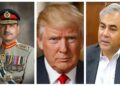
During a press conference on Friday, DG ISPR Lt Gen Ahmed Sharif Chaudhry had accused Imran of promoting an “anti-army narrative”, saying such rhetoric had moved beyond politics and turned into a national security concern.
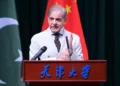
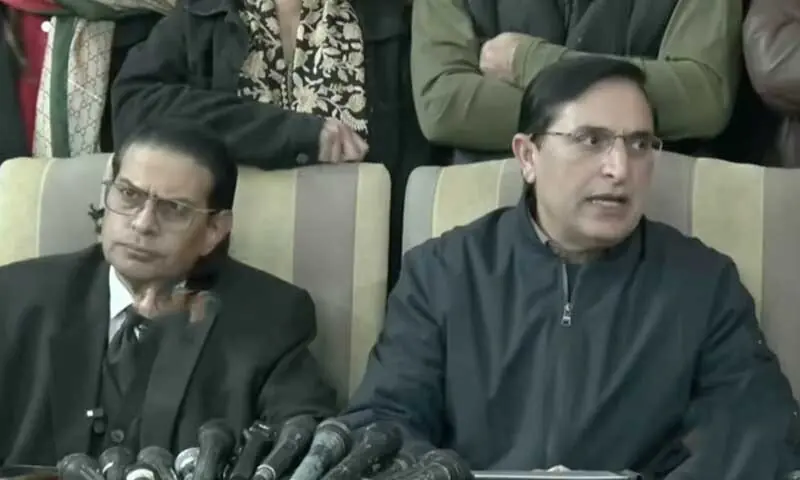
Responding the next day at Khyber Pakhtunkhwa House in Islamabad, PTI Secretary General Salman Akram Raja rejected the allegations, stating that the people of Pakistan stand with Imran Khan and PTI. He said Imran had united the nation and that branding him as a security threat was unjustified.
Raja said that while Pakistan has many political, sectarian, and ethnic narratives, Imran Khan consistently stood for a unified national perspective supported by PTI’s voters. He warned authorities not to attempt to sideline Imran, adding that any move to undermine the elected KP government or replace it with an unelected setup would worsen the national situation.
Calling the DG ISPR’s briefing “unfortunate”, Raja said PTI would not engage in counter-allegations. He argued that powerful institutions in the past had labelled popular leaders, including Benazir Bhutto, as security threats but failed to erase them from public support. He stressed that the nation clearly understood who held real power throughout history, and that PTI’s popularity reflected people’s awareness.
Raja said Pakistan had repeatedly been pushed away from democracy toward authoritarianism, noting that military interventions in the past had promised prosperity but ultimately weakened the state. He argued that if force-driven development was possible, it would have occurred in earlier periods of military rule.
The PTI secretary general stressed the need for a national dialogue to prevent further deterioration. He criticised recent constitutional amendments and described the constraints on the judiciary as unprecedented. He also condemned increasing censorship, noting that those expressing independent opinions faced laws like Peca and legal inquiries, citing the example of Imaan Mazari and Hadi Ali Chattha.
He urged the state not to jeopardise the future of KP or the country in the battle of narratives, arguing that PTI was the only major political force capable of steering Pakistan towards stability. Raja added that the party avoided confrontation because it prioritised national interest over political retaliation.
Former National Assembly speaker Asad Qaiser also criticised the DG ISPR’s remarks, saying they had caused resentment in KP and should be withdrawn out of respect for the province and its people.
Separately, PTI Chairman Barrister Gohar Ali called the ISPR chief’s comments inappropriate and damaging to democracy. He said such language from a senior official towards a major political party and its leadership was uncalled for. Gohar warned that harsh words often trigger serious national rifts and advised lowering the tone to move forward positively.
Gohar urged that PTI’s meeting with Imran Khan on Tuesday be allowed without restrictions and that his meetings with his sisters not be politicised. He said the nation needed progress and development, but continued confrontation would lead to collective loss rather than a “minus-one” outcome.
At the press conference, Gohar said PTI was compelled to explain its position after facing severe political setbacks, including alleged reductions in its parliamentary strength and the taking away of reserved seats. He maintained that the party had endured all hardships for the sake of democracy and that both Pakistan and the army belong to the people.
He added that despite the passing of the 26th and 27th Constitutional Amendments, PTI had hoped the situation would improve, but Friday’s press conference by the military spokesperson had disappointed the party. Gohar reiterated that if the current confrontational environment continued, democracy would suffer the most.