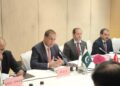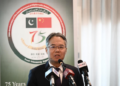

































ISLAMABAD (MNN); The Foreign Office on Friday said that the continued delay in the arrival of a senior Turkish delegation, tasked with mediating between Pakistan and Afghanistan, stemmed from a lack of cooperation by the Taliban authorities in Kabul.
Türkiye, alongside Qatar, has been facilitating rounds of dialogue between Islamabad and Kabul after recent tensions spiked between the neighbouring countries. Turkish President Recep Tayyip Erdogan had earlier indicated that a high-level team would travel to Islamabad, but the visit has yet to take place.
Although the Türkiye-Qatar mediation initially helped secure a fragile ceasefire, the FO spokesperson said the truce weakened because it depended on a halt in terrorist activity.
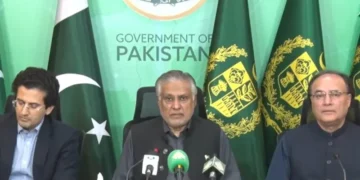
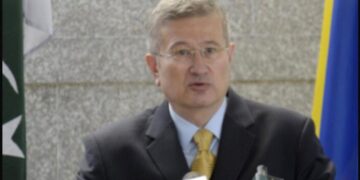
Responding to a question during the weekly press briefing about the delegation’s delayed arrival, the FO spokesperson said: “Pakistan was ready and remains ready. I believe the delegation has not arrived because of scheduling issues and possibly the Taliban regime’s lack of cooperation. This question is better directed to the Taliban. Our stance remains unchanged.”
He reiterated that Pakistan welcomed President Erdogan’s initiative and was prepared to receive the delegation for talks. He added that he was unaware of any confirmed schedule for their visit.
The spokesperson stressed that Pakistan’s cooperation was not the reason for the delay, adding that any suggestion of non-cooperation from Islamabad was incorrect.
Meanwhile, Saudi Arabia is pursuing a separate peace initiative and may host another round soon. Pakistan and Afghan officials held brief but critical unofficial talks in Riyadh last Sunday, but the discussions ended without progress as both sides stuck to their positions. When asked today, the FO spokesperson said he had no details regarding the Saudi engagement.
He added that Pakistan welcomed any principled mediation effort, arguing that Islamabad’s stance on terrorism emanating from Afghan soil was morally and legally sound, both nationally and internationally.
Regarding humanitarian aid, the FO confirmed that Pakistan had approved the movement of relief consignments for Afghanistan at the request of UN agencies — marking the first controlled reopening of transit channels since routine trade was halted in October.
Under this plan, relief aid will pass in three phases: first, containers with food; second, pharmaceutical supplies and medical equipment; and third, other essential goods related to education and health. He clarified that the classification of phases was only to ensure smooth processing.
The spokesperson added that while humanitarian movement has been allowed, regular trade and transit crossings remain closed. Pakistan, he said, has no hostility toward the Afghan people and remains committed to facilitating humanitarian support.
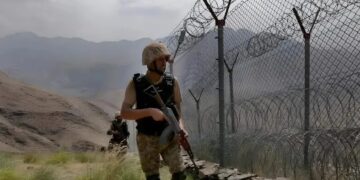
He concluded that border restrictions will remain in place until the Taliban take effective action to stop the flow of terrorists and militant elements operating from Afghan soil.