








































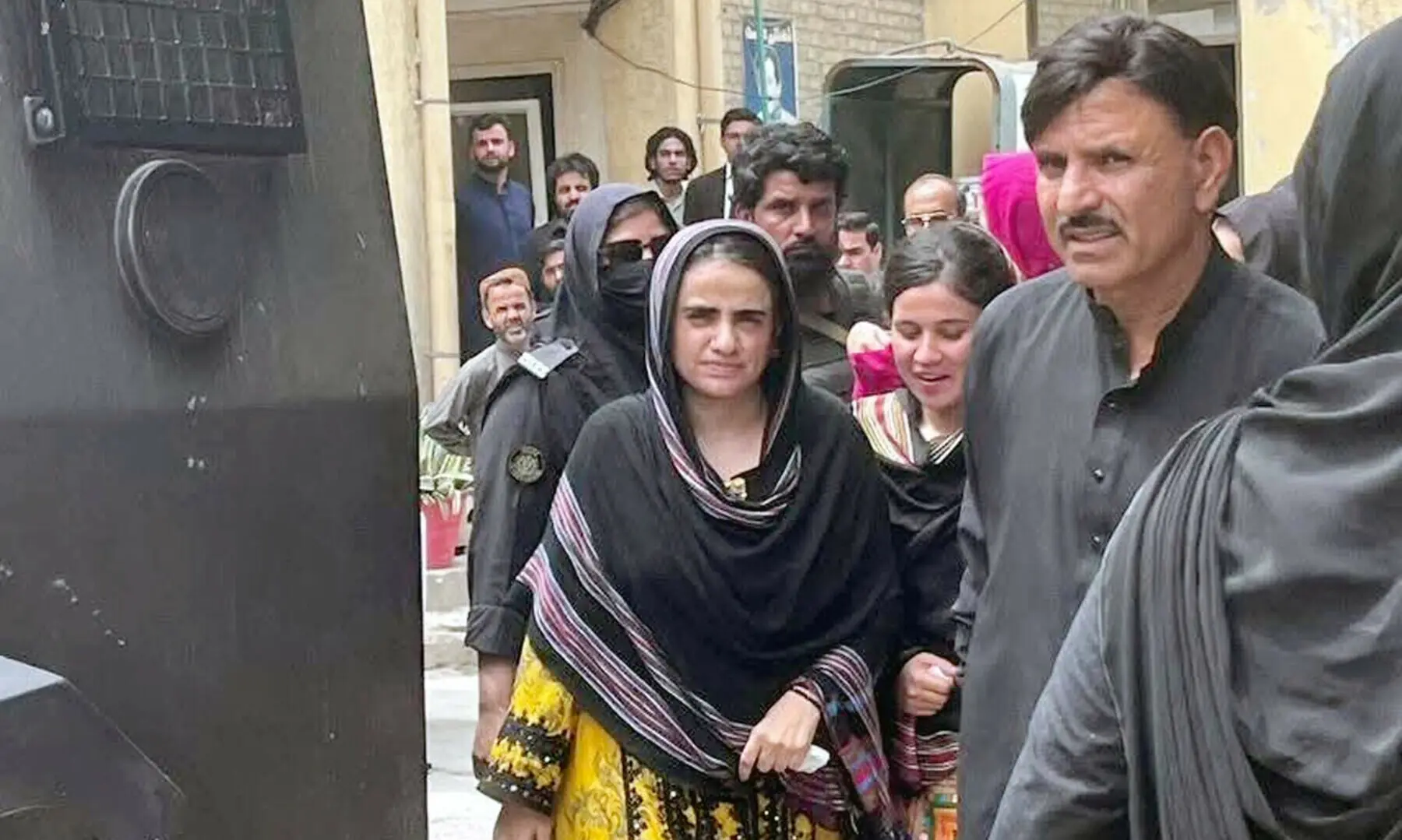
KARACHI (MNN); A Karachi anti-terrorism court (ATC) on Wednesday acquitted Baloch Yakjehti Committee (BYC) leader Dr Mahrang Baloch in a sedition and public mischief case registered against her in October last year.
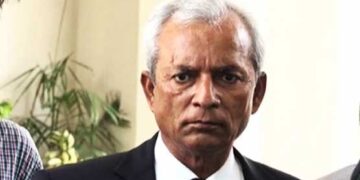
The case was filed by Malir district’s Quaidabad police on October 11, 2024, accusing her of inciting the public by making allegations against state security institutions. ATC Judge Ayaz Mustafa Jokhio announced the ruling on Mahrang’s acquittal plea, submitted by Advocate Jibran Nasir.
According to the court order, there was no likelihood of her conviction based on the existing evidence. The judge stated that the application was allowed and Dr Mahrang Baloch, daughter of Abdul Ghaffar, was acquitted under Section 265-K of the Criminal Procedure Code, which empowers courts to acquit an accused at any stage of the proceedings.
Mahrang appeared before the court via video link from Quetta Prison, where she has been detained since her arrest in March. Despite her acquittal in this case, she will not be released due to multiple other cases pending against her.
In the detailed order reviewed by Dawn, the judge noted that the complainant had failed to provide any independent witnesses to support his allegations. The investigation officer had listed five witnesses, but apart from the complainant, all others were police officials who had no direct knowledge of the alleged incident.
The judge also pointed out that none of the witnesses recorded under Section 161 of the CrPC mentioned any details related to the alleged events. Furthermore, during the investigation, the IO neither involved any local residents nor sought statements from people in the area where the alleged incident took place.
He also criticised the unexplained 10-month delay in submitting the challan, as the FIR was lodged in October 2024 but the charge sheet was filed only in August 2025.
Judge Jokhio emphasised that Section 265-K allows courts to prevent unnecessary trials backed by weak or inadmissible evidence, especially when courts are already burdened by numerous pending cases. He said the power can be exercised even before the framing of formal charges.
He also noted that the complainant repeatedly failed to appear in court despite directions for his production.
MAHRANG CALLS THE CASE FABRICATED
Dr Mahrang Baloch described the case as fabricated, claiming it reflected how the state had become increasingly uncomfortable with her activism.
The FIR was lodged by a resident, Asad Ali Shams, who accused her of inciting violence, provoking people against state institutions, and having links with terrorist groups in Balochistan.
The FIR included terrorism charges under Section 7 of the Anti-Terrorism Act (ATA) 1997, along with several sections of the Pakistan Penal Code, including 124-A (sedition), 148 (armed riot), 149 (unlawful assembly), 153-A (promoting enmity), 500 (defamation), and 505 (statements causing public mischief).