










































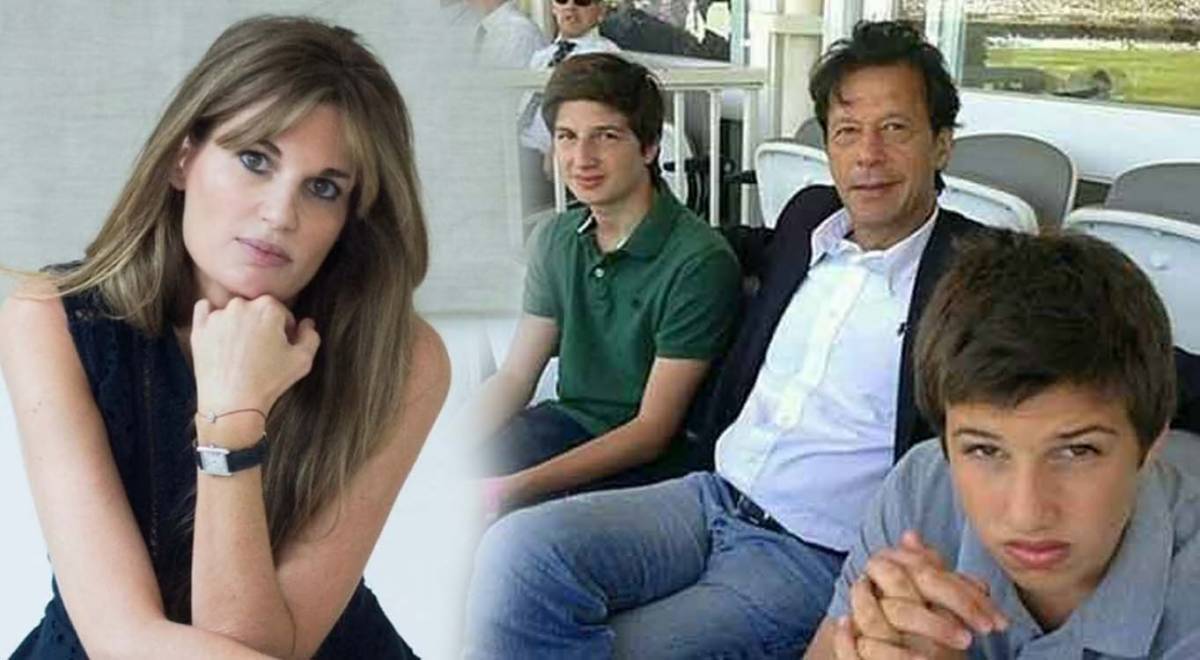
Web Desk (MNN); Kasim Khan, son of incarcerated PTI founder Imran Khan, has expressed deep concern over the former prime minister’s condition, warning that authorities may be concealing “something irreversible.”
His remarks follow weeks of protests and sit-ins by PTI workers and Imran’s sisters outside Adiala Jail, where he has been held without family visitation for over three weeks despite court orders allowing weekly meetings.
Speaking to Reuters, Kasim said the family has had no verified communication with Imran for months.
“Not knowing whether your father is safe, hurt or even alive is psychological torture,” he stated, adding that there is currently “no verifiable information” about Imran’s condition.
He said Imran’s personal doctor has not been given access for more than a year. The interior ministry did not respond to Reuters’ request for comments, though a jail official, speaking anonymously, claimed Imran was healthy and that no transfer to a high-security facility was under consideration.
Imran Khan, 72, has been in prison since August 2023, following convictions he maintains were politically motivated after his removal through a no-confidence vote in 2022. His sentences include 10 years in the cipher case and 14 years in the Al-Qadir Trust case.
Kasim said deliberate isolation is meant to push Imran out of public view. “They are afraid of him… he is Pakistan’s most popular leader,” he claimed.
Kasim and his brother Suleiman, residing in London with their mother Jemima Goldsmith, last met Imran in November 2022 after the assassination attempt on him.
The family says they are approaching human rights organisations and demanding immediate restoration of visitation rights, calling the situation a “human rights emergency.”
Following an interview between journalist Mehdi Hasan and Defence Minister Khawaja Asif, Jemima refuted claims that the sons could meet Imran, saying even phone contact is not permitted.
Meanwhile, the Human Rights Commission of Pakistan (HRCP) expressed concern over the situation, urging authorities to ensure access to family and legal counsel, stressing that isolation risks abuse of detention powers.